Thyroid Care · Ithaca & Trumansburg, NY
Fatigue, weight gain, thinning hair, mood changes, or a racing heart? These are classic signs of a thyroid that's out of balance — and an underactive thyroid is one of the most common and most treatable causes. We diagnose and treat thyroid conditions with lab-guided dosing and unhurried follow-up, in person in the Ithaca area or by telehealth across New York.
Thyroid treatment depends on which way your thyroid is off. An underactive thyroid (hypothyroidism), including Hashimoto’s, is treated with daily thyroid hormone replacement — dosed to your labs and symptoms and adjusted over time. An overactive thyroid (hyperthyroidism) is treated with medication to calm hormone production and may need specialist care. The foundation of good thyroid treatment is the same either way: the right labs, dosing guided by how you actually feel, and consistent follow-up — not a set-and-forget prescription.
The thyroid sets your metabolic pace, so when it's off, the symptoms show up everywhere — energy, weight, mood, heart rate, skin, and hair. Because these overlap with low testosterone, perimenopause, and everyday stress, thyroid problems are easy to miss without the right labs.
Underactive tends to slow you down · overactive speeds you up


"Thyroid problem" covers two opposite states. Knowing which one you have determines the treatment — and it starts with the right blood work.
Too little thyroid hormone slows your metabolism. Hashimoto’s — an autoimmune condition — is the most common cause.
Too much thyroid hormone speeds everything up. Graves’ disease is a common cause and may need specialist involvement.
Good thyroid treatment isn't one pill and a yearly refill. It's the right diagnosis, dosing matched to your labs and symptoms, and follow-up that adjusts as your body changes — with attention to the lifestyle factors that affect how well treatment works.
For hypothyroidism and Hashimoto’s, daily thyroid hormone replacement restores your levels. We dose to your labs and how you actually feel, and re-check to fine-tune — because the “normal” range is wide and the right dose is personal.
Hashimoto’s is autoimmune, so care goes beyond a prescription: monitoring antibodies and thyroid trends over time, and addressing the sleep, stress, and nutrient factors that influence how you feel day to day.
Hyperthyroidism is treated with medication to calm hormone production and control symptoms. When a case needs advanced treatment or a specialist, we coordinate that referral and stay involved in your overall care.
Thyroid treatment lives or dies on follow-up. As a membership practice, re-checking your labs and adjusting your dose is simple and unhurried — not a fight for a rushed appointment months out.
Standard levothyroxine works well for most people, but not everyone. When you still don’t feel right on it, options include combination T4/T3 therapy, natural desiccated thyroid, and custom formulations from a trusted compounding pharmacy — dose- or additive-adjusted to you when it’s clinically appropriate, not by default.
Some thyroid conditions — thyroid cancer, nodules that need biopsy or surgery, thyroid eye disease, and complex hyperthyroidism — call for an endocrinologist or surgeon. We evaluate thyroid symptoms, manage hypothyroidism and Hashimoto’s, and coordinate specialist referrals when they’re needed, then keep supporting your day-to-day care. Being honest about scope is part of doing this right.
An underactive thyroid (hypothyroidism) is treated with daily thyroid hormone replacement that restores the hormone your body isn’t making enough of. The dose is guided by blood tests and your symptoms, and adjusted over time until you feel well and your labs are stable. Most people take it long-term, and with the right dose the symptoms — fatigue, weight gain, hair thinning, brain fog — steadily improve.
Hashimoto’s is the most common cause of hypothyroidism, and its main treatment is thyroid hormone replacement once the thyroid becomes underactive. Because it’s autoimmune, good care also means monitoring your thyroid over time and addressing sleep, stress, and nutrition that affect how you feel. There’s no one-size dose — it’s dialed in to you and re-checked.
Yes. An underactive thyroid slows metabolism, which commonly causes weight gain, and it’s a well-known cause of hair thinning, along with fatigue, dry skin, and low mood. When the thyroid is treated and levels return to normal, these symptoms usually improve — which is why testing the thyroid is essential before assuming weight or hair changes are something else.
Lifestyle, sleep, stress management, and correcting nutrient deficiencies genuinely support thyroid health and how well treatment works. But they don’t replace thyroid hormone when the gland is truly underactive — that requires replacement. The honest approach combines proven medical treatment with the lifestyle factors that help, rather than choosing one over the other.
Standard levothyroxine (a T4-only medication) resolves symptoms for most people, but some still don’t feel like themselves once their labs look normal. When that happens, non-traditional options can help: combination T4/T3 therapy, natural desiccated thyroid, or a custom-compounded formulation made by a compounding pharmacy. These are used when they’re clinically appropriate for you — matched to your labs and symptoms — not prescribed automatically, and they’re one reason having a provider who actually follows your case matters.
In person in Trumansburg or by telehealth — your symptoms, history, and how long this has been going on.
A full panel — TSH, free T4, free T3, and antibodies where indicated — at member-discounted lab rates, not just a single TSH.
Labs read in context, a clear diagnosis, and treatment started — dosed to you, with specialist referral if the case calls for it.
Re-check and fine-tune until you feel well — the ongoing follow-up thyroid treatment actually requires.
Thyroid symptoms overlap heavily with other causes. If tiredness or weight gain is your lead complaint, these companions help: low energy & fatigue in men and unexplained weight gain & fatigue in men. We evaluate the thyroid alongside these so the right cause gets treated.
Thyroid treatment is a long game of dosing and follow-up — exactly the kind of care a rushed, insurance-driven office does worst and a local membership practice does best.
Getting a dose right takes re-checks and small adjustments. Here that’s simple and unhurried — no months-long wait for a 10-minute visit just to tweak a prescription.
Fatigue and low mood spike in a Finger Lakes winter for lots of reasons — low vitamin D, short days, seasonal mood. We test the thyroid instead of assuming, so a treatable condition isn’t written off as “just the season.”
Thyroid care is about the trend, not a single number. Seeing the same provider who tracks your labs over time means dosing decisions are made with your whole history in view.
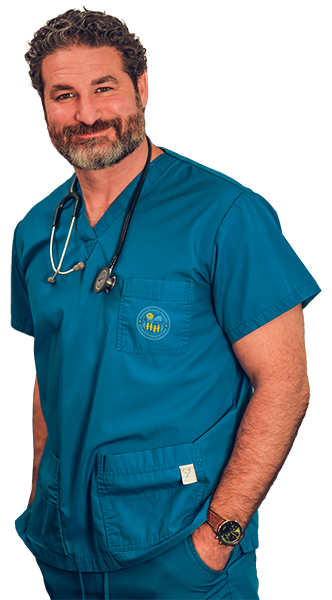
Founder & Nurse Practitioner · Men's Health & TRT
Matthew founded Homesteady Health to practice medicine without the clock and the profit-over-patient mindset of corporate care. Over more than 25 years, he’s practiced family medicine in the Alaskan bush, worked trauma and the ER in fast-paced Philadelphia, and built urgent-care clinics there. Today he serves on the board of Region 2 of the Nurse Practitioner Association of New York, where he was named NP of the Year in 2025.
He also lives the active Finger Lakes lifestyle — running, grappling, basketball, coaching, hunting, fishing, and time out on Cayuga Lake. He understands the strength and energy his patients are trying to get back because he depends on it too. A healthy thyroid is important to your overall well-being and quality of life — it deserves proper testing, thoughtful interpretation, and ongoing follow-up, which is the standard every evaluation here is held to.




Years in healthcare
Years as a Nurse Practitioner
Board-certified · family practice
Board member · Region 2
Thyroid treatment fits inside primary care membership — including the follow-up and dose adjustments that matter most. One flat fee, discounted labs, no surprise bills.
An underactive thyroid is treated with daily thyroid hormone replacement, dosed to your blood tests and symptoms and adjusted over time until your levels are stable and you feel well. Most people take it long-term, and symptoms like fatigue, weight gain, and hair thinning steadily improve once the dose is right.
Hashimoto’s is treated with thyroid hormone replacement once it causes an underactive thyroid, dialed in to your labs and symptoms. Because it’s autoimmune, good care also includes monitoring your thyroid over time and addressing sleep, stress, and nutrition that affect how you feel.
Yes. An underactive thyroid slows metabolism and commonly causes weight gain, persistent fatigue, and thinning hair, along with dry skin and low mood. These usually improve once the thyroid is treated and levels normalize, which is why testing the thyroid matters before assuming another cause.
Thyroid cancer, nodules requiring biopsy or surgery, thyroid eye disease, and complex hyperthyroidism are managed by an endocrinologist or surgeon. We evaluate thyroid symptoms, treat hypothyroidism and Hashimoto’s, and coordinate specialist referrals when needed while continuing to support your overall care.
With blood tests — typically TSH, free T4, and free T3, plus thyroid antibodies when Hashimoto’s or Graves’ is suspected — interpreted alongside your symptoms. A single TSH isn’t always enough, which is why we run a complete panel and read it in context rather than in isolation.
Sleep, stress management, and correcting nutrient deficiencies support thyroid health and how well treatment works, but they don’t replace thyroid hormone when the gland is truly underactive. The best results come from combining proven medical treatment with helpful lifestyle changes.
Yes, when it’s appropriate for you. Most people do well on standard levothyroxine, but if you still don’t feel right on it, options include combination T4/T3 therapy, natural desiccated thyroid, and custom-compounded formulations from a trusted compounding pharmacy. These are chosen based on your labs and symptoms rather than prescribed by default.
No. The office is at 1859 Trumansburg Rd, about 10 minutes from Ithaca, and thyroid care can be managed by telehealth anywhere in New York, with labs drawn close to home.
No. Thyroid care is covered by a flat monthly primary care membership, with lab work at discounted rates and no copays or surprise bills.